Net Zero
Support lower-emission energy and mobility pathways.
RNGV Project
NGV SEA’s RNGV Project brings together renewable gas production, fueling infrastructure and mobility technologies in an integrated clean-energy ecosystem.
Explore the Project
Our mission
Support lower-emission energy and mobility pathways.
Transform locally available waste and renewable resources into usable transport energy.
The connected system
The concept connects municipal solid waste with renewable natural gas production, then distributes the fuel through infrastructure for transport applications.
Municipal Solid Waste
Renewable Natural Gas Plant
RNG
RNG / CNG / LCNG Infrastructure
Vehicles & Mobility
A concept pathway. Feedstock treatment, fuel preparation and infrastructure requirements are defined for each project.
Technology platform

The project brings waste-derived biogas treatment and upgrading into a renewable natural gas production concept, connecting locally available resources with usable fuel.
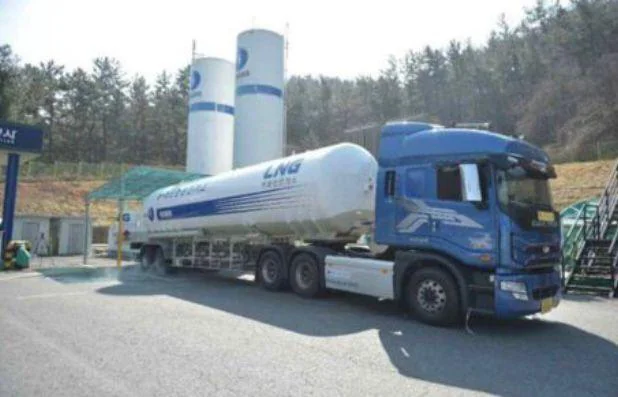
RNG, CNG and LCNG station concepts connect fuel supply, storage and dispensing with transport applications.
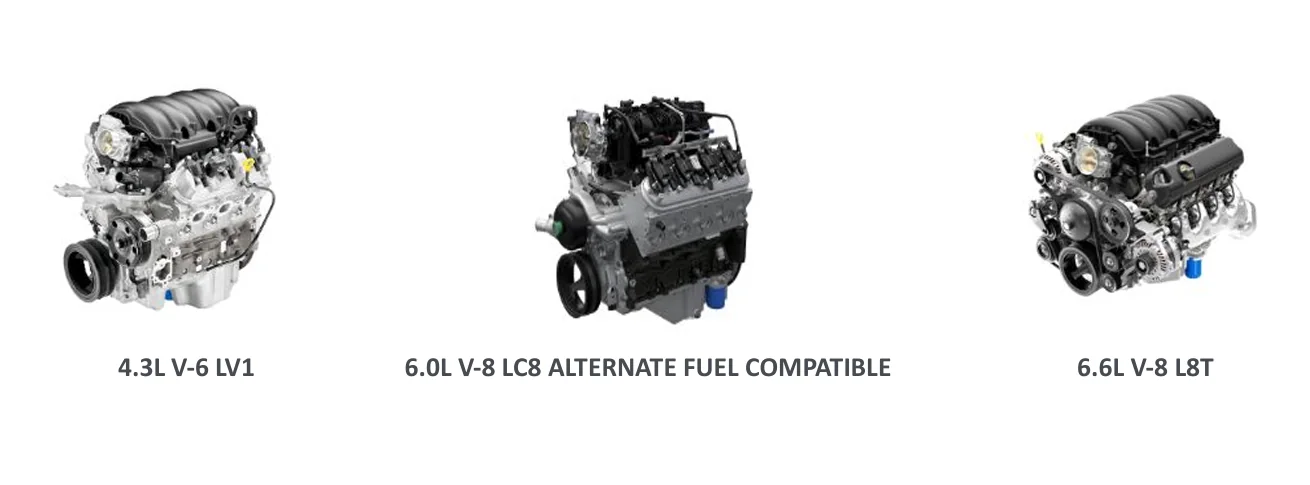
Vehicle and engine technologies link the fuel pathway to passenger transport, commercial vehicles, heavy trucks and buses.
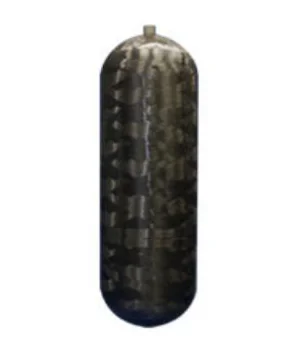
CNG cylinders, onboard storage and gas-transport components form part of the system. The project document illustrates Type 2, Type 3 and Type 4 cylinder technologies.
The platform also considers marine fuel applications, LNG bunkering methods and gas-storage technologies for shipping.
Explore Marine ApplicationsMobility applications
The project framework spans a range of transport applications, connecting gas-fueling concepts with different vehicle and operating needs.
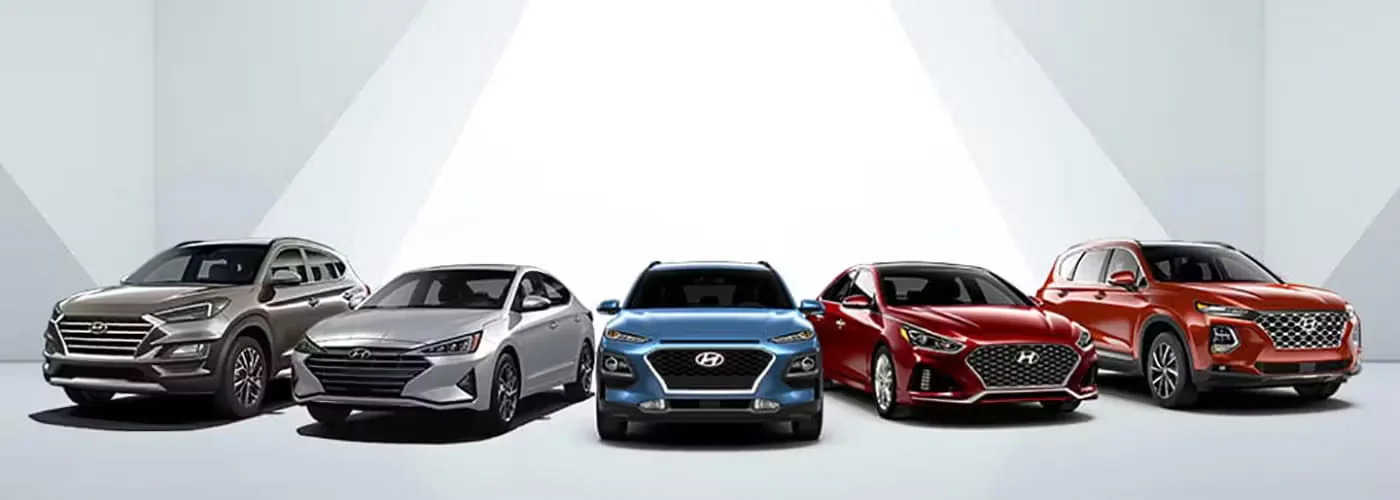
Everyday passenger transport within a gas-fueled mobility pathway.
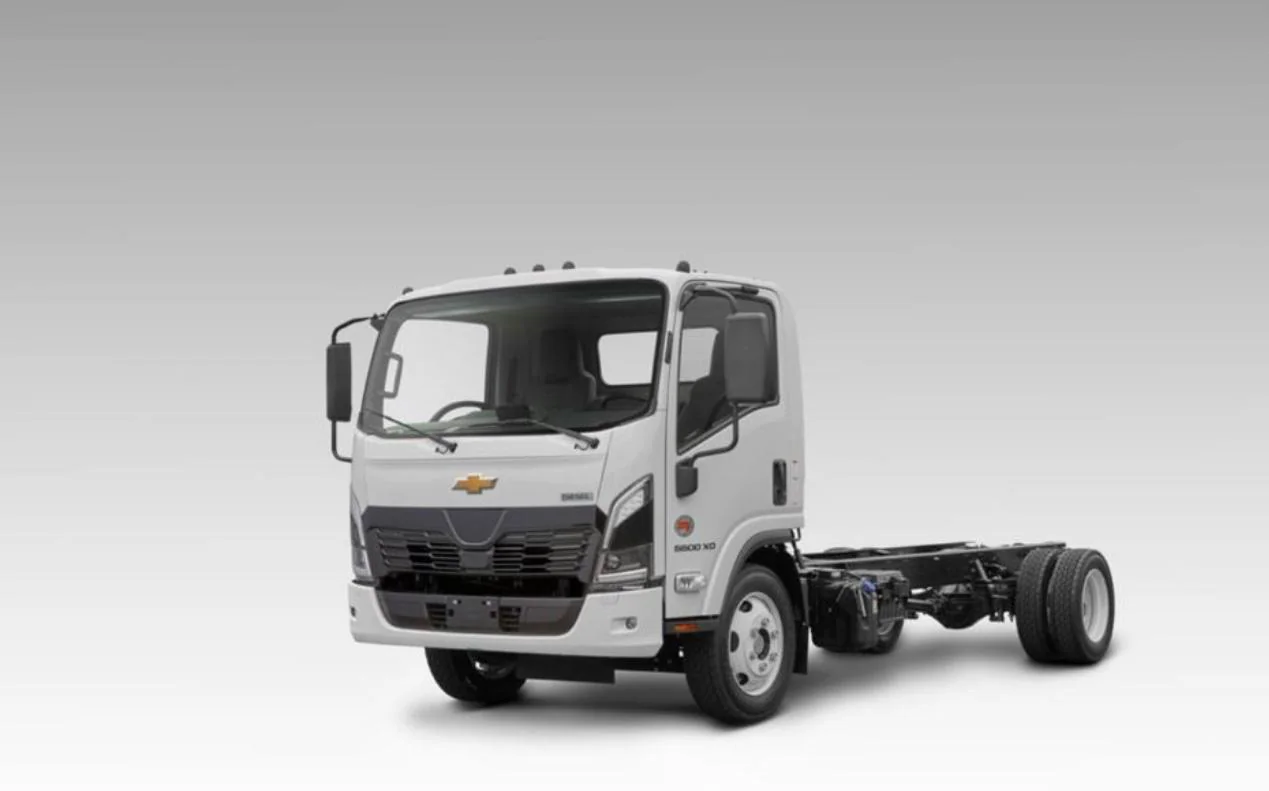
Commercial vehicles for local business and transport applications.
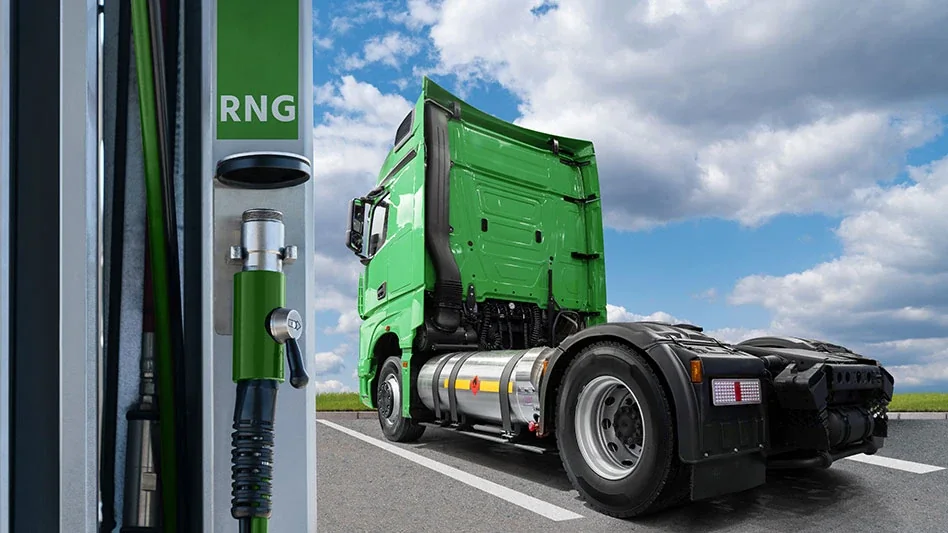
Heavy transport applications connected to suitable gas-fueling infrastructure.
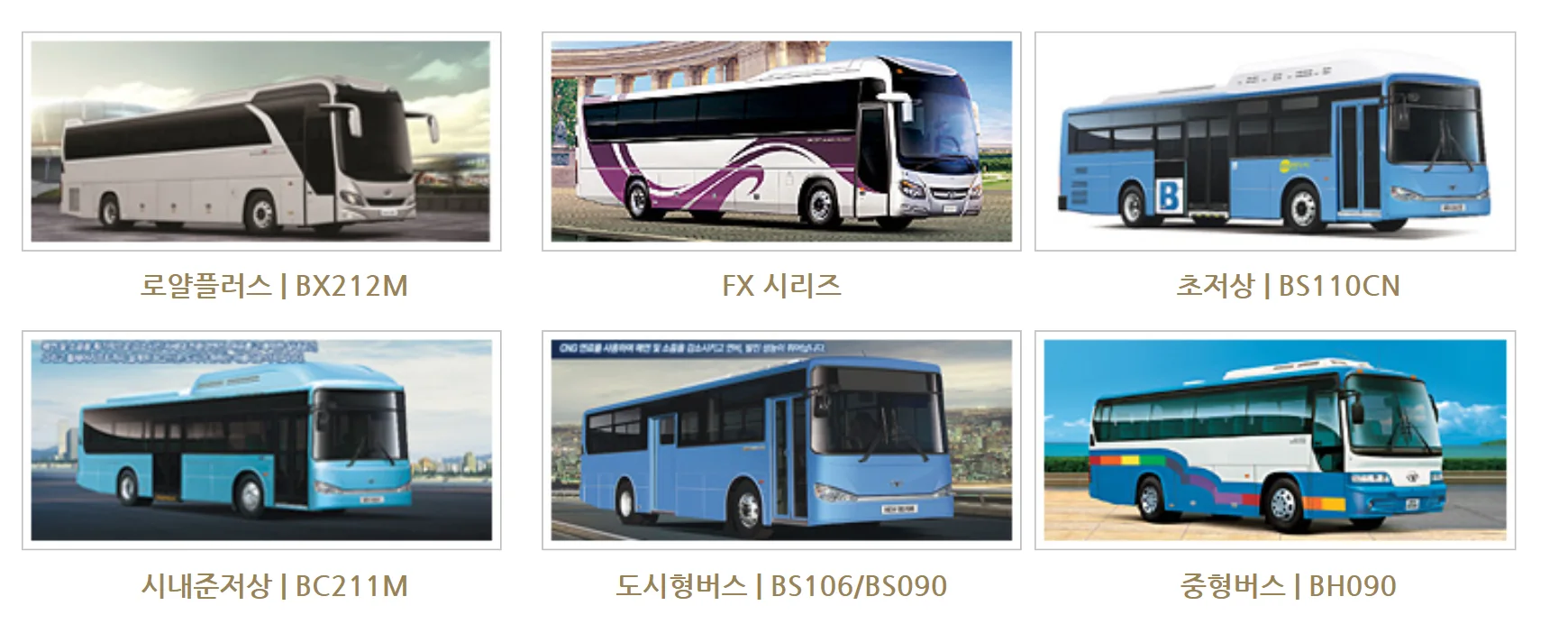
Bus and public transport applications across different operating needs.
Vehicle imagery illustrates application categories; it does not identify confirmed project vehicles or manufacturer affiliations.
Marine & LNG bunkering
The project document explores LNG bunkering as a marine fuel-supply concept, with three approaches to connecting fuel supply and vessels.
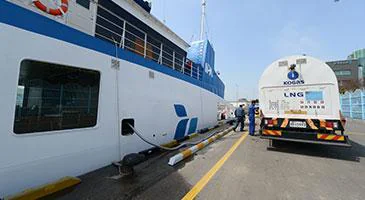
LNG supplied from a road tanker to a vessel.
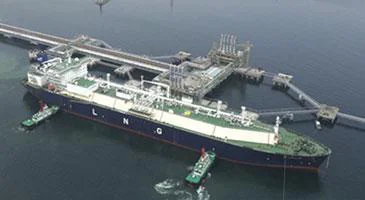
LNG supplied to a vessel through port-side infrastructure.
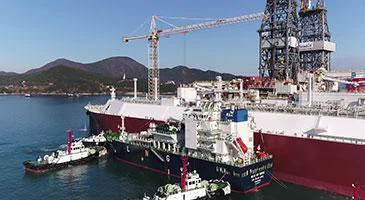
LNG transferred between vessels for marine fueling.
Research, education & innovation
Education and research sit alongside the project’s infrastructure and mobility concepts, supporting the knowledge needed to explore and develop clean-energy applications.
Developing knowledge and skills around renewable gas, fueling systems and mobility technologies.
A research-center concept that connects technical study with the development of energy and transport applications.
Exploring gas storage, advanced materials and technologies relevant to future energy applications.
Future energy — e-NG
The project document describes e-NG as synthetic renewable methane produced by combining green hydrogen with recycled CO₂. This is a future energy pathway distinct from waste-derived RNG, connecting renewable electricity with gas infrastructure.
Green Electricity
Green Hydrogen
e-NG
Produced by combining green hydrogen with recycled carbon dioxide.Recycled CO2
Existing Gas Infrastructure
Global opportunity
By integrating waste management, renewable gas production, fueling infrastructure and mobility technologies, the RNGV model brings the main elements of an energy pathway into one framework.
The concept may be adapted to different markets, with project development shaped by local resources, infrastructure and transport requirements.
Connect with NGV SEA to discuss technology, project development or international cooperation opportunities.